
Licensed locally
Who does this work in Westchester
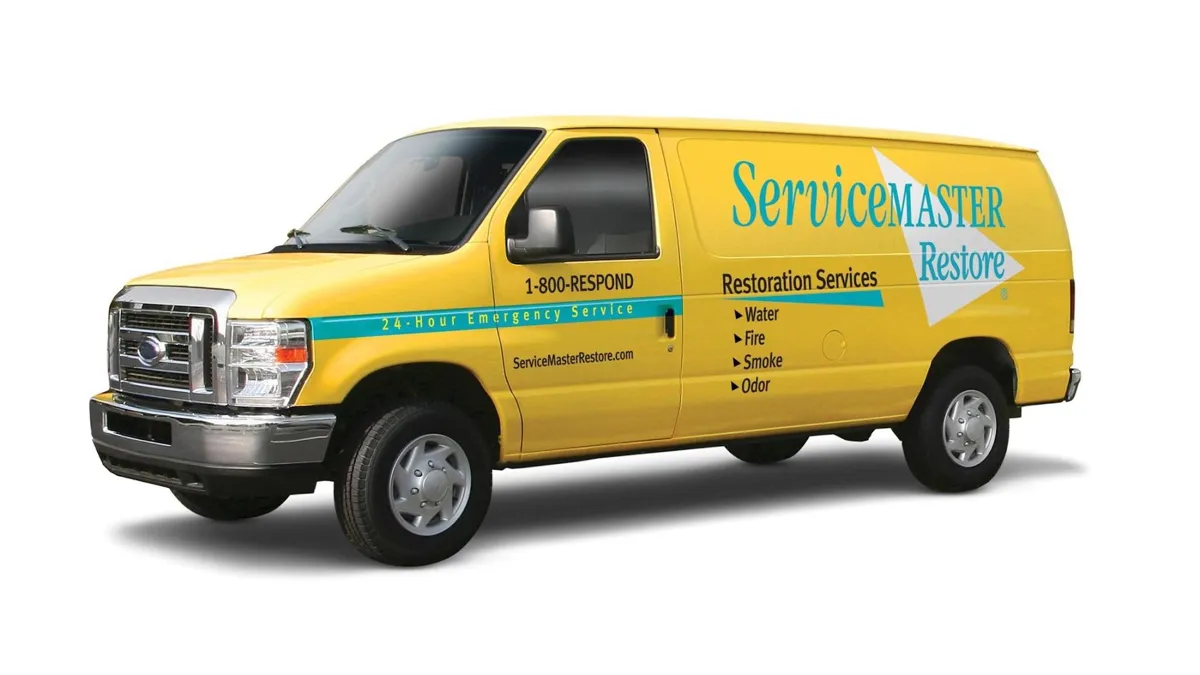
A sewage backup is not a bigger plumbing spill — it is a biohazard event in your home. Here is what has to happen, in what order, and what fair pricing looks like.
Restoration pros classify water in three categories. Category 3 — sewage, toilet backflow, ground floodwater — carries bacteria, viruses and parasites. Porous materials it touches (carpet, pad, drywall below the wick line, upholstered furniture) are not dried, they are removed. Anyone who offers to “dry and shampoo” sewage-soaked carpet is creating a health liability, not saving you money.
Extraction of solids and standing water → removal of contaminated porous materials → wash-down of remaining surfaces → antimicrobial disinfection → controlled drying → clearance check. Crews work in PPE, and the waste goes out as contaminated material, not household trash.
Many Westchester neighborhoods run on sewer lines laid decades ago. After heavy rain, backups cluster — if it happens to you, check with neighbors and the city: a municipal main issue can change who pays.
Sewage cleanup runs meaningfully above clean-water work because of demolition and disinfection: typically $7–$15 per square foot affected, with small bathroom events starting near $1,000–$2,500. Details in the cost guide.
If it is truly small (a toilet overflow contained to tile), gloves, bleach solution and thorough drying can be enough. Anything reaching carpet, drywall or under cabinets — call a crew; what you cannot see is the problem.
Only if you carry the sewer-backup rider — it is excluded from most standard policies. Check your declarations page; the rider is usually cheap and worth it in Westchester.
A backwater valve on your main line is the standard fix for repeat backups. Also: no wipes, no grease, and a camera inspection of your lateral every few years in older neighborhoods.
Tell us what happened — we will point you to a licensed local crew that can be on site today.