Licensed locally
Who does this work in Westchester
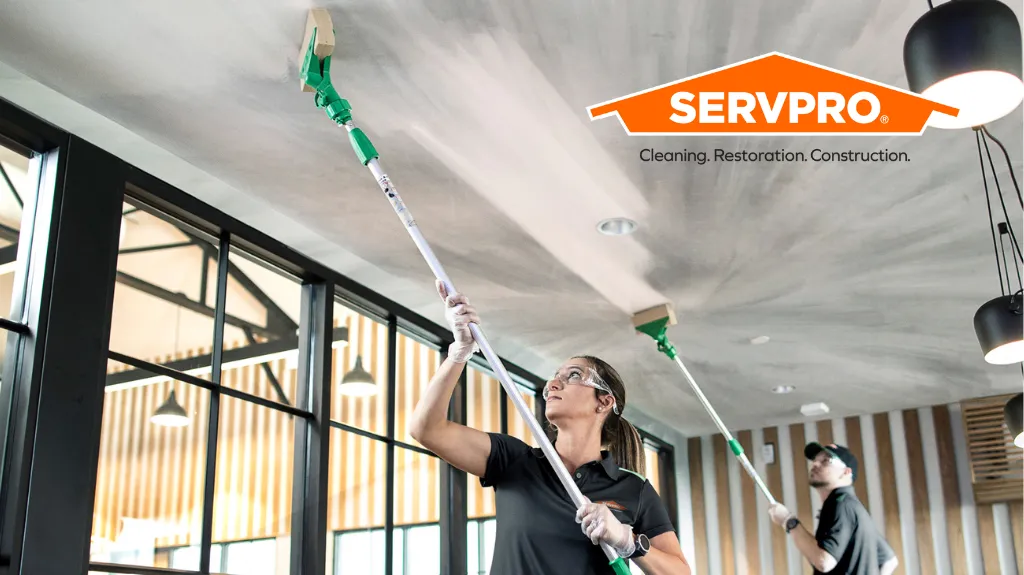
New York is one of the few states that licenses mold work — and the license rules actually protect you. Here is how remediation must be done in NY, and who is licensed to do it.
Under New York Labor Law Article 32, any company doing mold remediation for pay must hold an active NY Department of Labor mold remediation contractor license. Critically, the assessor (who inspects and writes the remediation plan) and the remediator (who does the work) must be different entities — no grading your own homework. Our directory shows license status on every listing, pulled from the official NY DOL registry.
Containment barriers with negative air pressure, HEPA air scrubbers, removal of porous materials that cannot be saved (drywall, insulation, carpet), HEPA-vacuuming and damp-wiping of what stays, antimicrobial treatment where appropriate, then independent clearance verification. Bleach on visible mold is none of this — it treats the symptom and leaves the colony in the wall.
Mold is a moisture problem first. Any honest remediator will trace the source — a slow pipe leak, a humid basement, a roof issue — and put the fix in writing. If a quote talks only about killing mold and nothing about why it grew, get another quote.
Small contained jobs start around $500–$1,500; crawl spaces and attics commonly run $2,000–$6,000; whole-house remediation can reach five figures. Full tables in our mold cost guide.
Stachybotrys is not uniquely toxic compared to other indoor molds — but any large colony degrades indoor air and signals a moisture problem that is also rotting your structure. Treat the size and the source, not the color.
For small contained jobs, usually yes — you stay out of the contained zone. For whole-floor or HVAC-adjacent work, expect 1–3 days out of the affected area.
NY rules require an assessment and a remediation plan before work starts; post-remediation verification (visual + often air sampling) by a party independent from the remediator is the standard to insist on.
Tell us what happened — we will point you to a licensed local crew that can be on site today.